
EN




How to Choose Aluminum Windows and Doors for Coastal Areas
Oct. 23, 2026
Introduction
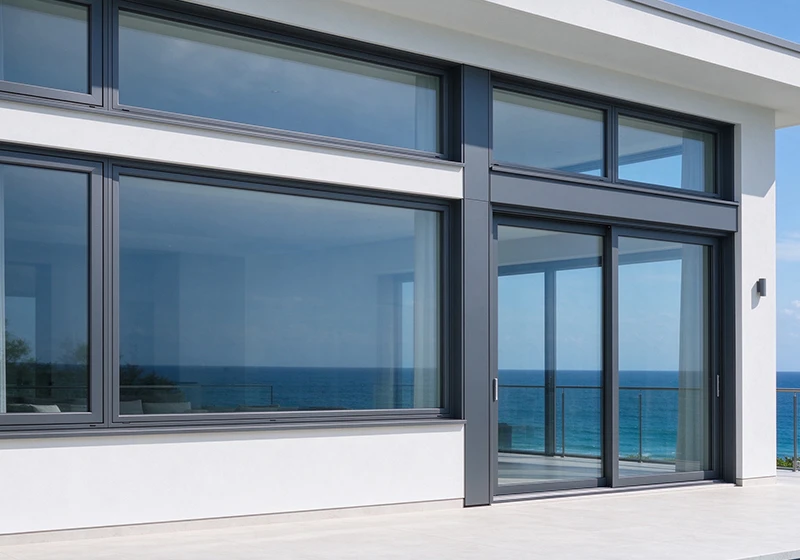
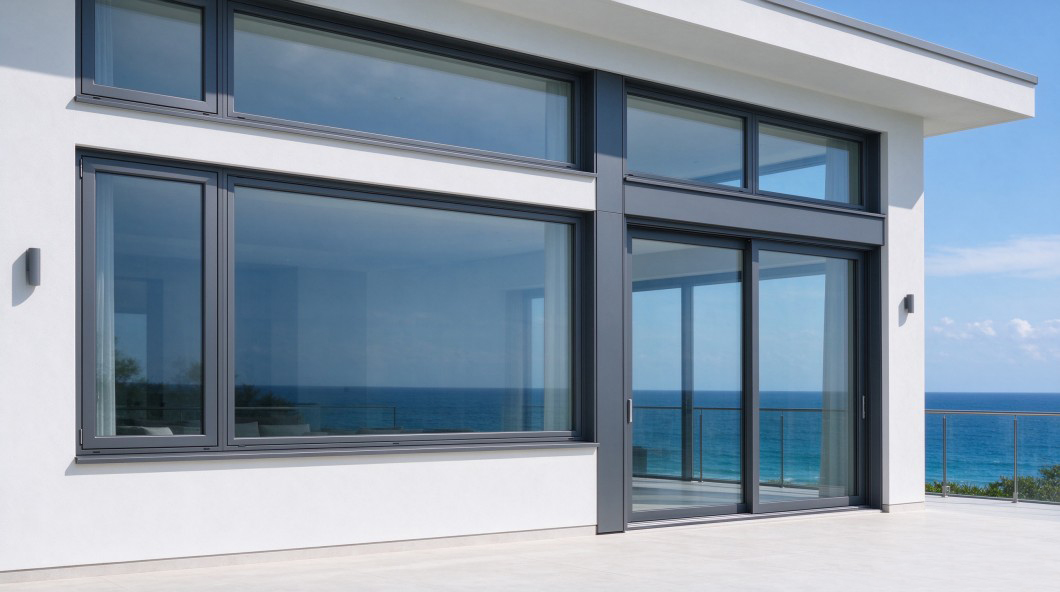
Coastal architecture offers remarkable views and a distinctive lifestyle, but it also exposes building materials to challenging environmental conditions. Salt-laden air, high humidity, strong winds, intense sunlight, and wind-driven rain can all affect the long-term performance of windows and doors. For developers, architects, contractors, and international distributors, selecting aluminum windows and doors for coastal areas requires more than choosing an attractive frame color. The complete system—including aluminum alloy, surface finish, fasteners, hardware, glazing, drainage, and installation details—must be evaluated for the actual site conditions. This guide explains practical considerations for specifying durable aluminum window and door systems in seaside homes, hotels, resorts, and commercial buildings.
1. Why Coastal Environments Are Demanding
Marine environments can accelerate deterioration when unsuitable materials or finishes are used. Airborne chlorides may deposit on exposed surfaces, while humidity and repeated wetting can increase corrosion risk. Wind-driven rain can challenge drainage and weather seals, especially on high-rise or highly exposed facades. Coastal exposure is not uniform: a building directly facing surf may experience more salt deposition than a sheltered property several kilometers inland. Local wind conditions, rainfall, maintenance access, and building height should therefore inform the specification. No single material or coating can be assumed to perform identically at every coastal site.
2. Choose the Right Aluminum Profiles and Finishes
Aluminum naturally forms a protective oxide layer, making it a useful material for window and door frames. However, the alloy, fabrication quality, surface preparation, and protective finish still matter. Architectural powder coating and anodizing are common options. For powder-coated systems, buyers should request information about pretreatment, coating specification, expected exposure category, and maintenance recommendations. For anodized systems, the anodizing specification and finish thickness should be suitable for the environment. A generic claim such as 'corrosion-proof' is not a substitute for documented finish performance. Ask suppliers which recognized coating or finishing specifications apply to the proposed product, and confirm that the finished profiles—not merely a sample material—match the project requirements.
3. Pay Special Attention to Hardware and Fasteners
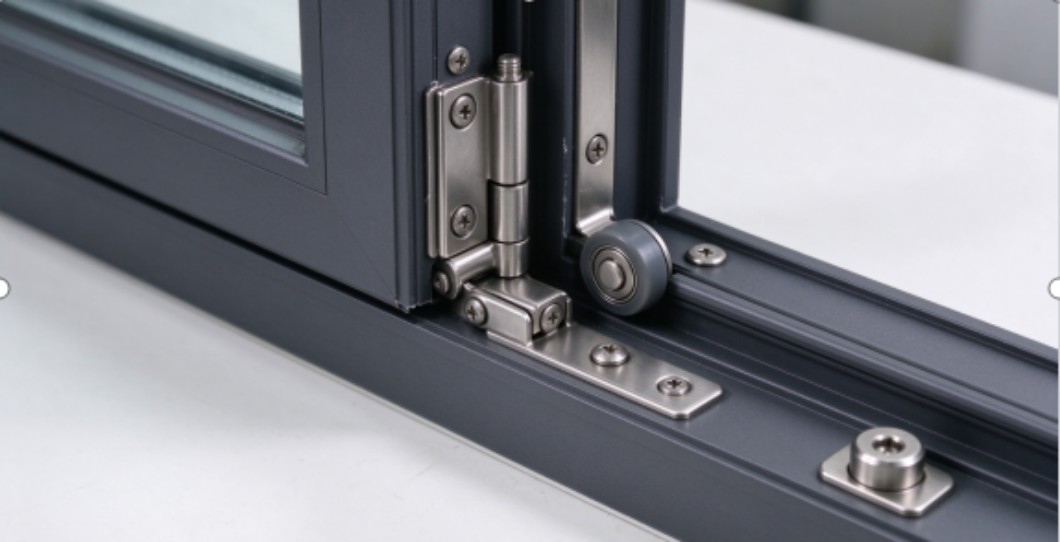
A well-finished aluminum frame can still suffer operational problems if hinges, screws, rollers, locks, and other hardware are poorly selected. In coastal projects, exposed hardware should be chosen with corrosion resistance in mind. Appropriate stainless steel grades or other corrosion-resistant materials may be necessary, depending on exposure and component design. Not all stainless steels behave the same way in chloride-rich environments. Buyers should also consider galvanic corrosion where dissimilar metals are in contact, especially when moisture is present. Isolation materials, compatible fasteners, drainage, and careful detailing can help manage this risk. Request clear hardware specifications and a maintenance plan for heavily exposed locations.
4. Compare Window Opening Styles
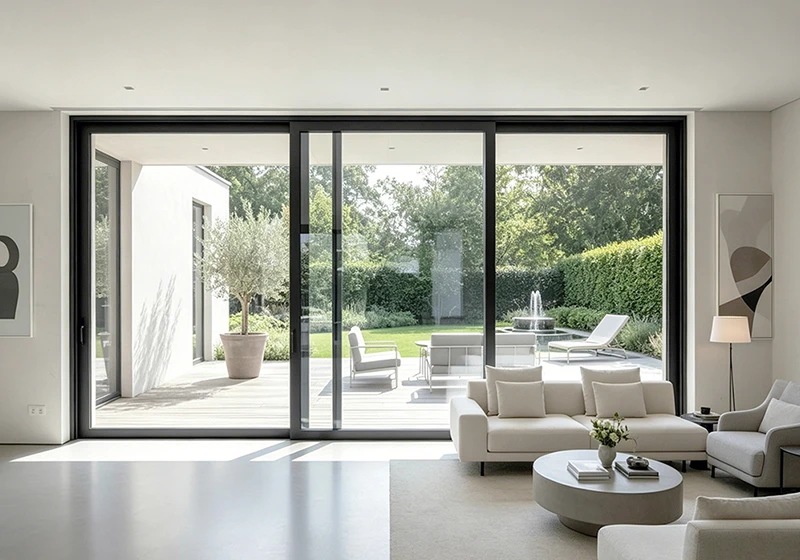
Casement, sliding, fixed, and tilt-and-turn systems offer different benefits. Casement windows may provide effective compression sealing when designed and installed correctly. Sliding windows can be convenient where space is limited, but track drainage, rollers, and cleaning access deserve attention. Fixed glazing may reduce the number of moving components, although perimeter sealing and glass support remain critical. Large sliding doors are popular in seaside villas and resorts because they connect indoor spaces with terraces. Their size and exposure make structural design, track performance, and water management particularly important. Choose the opening style according to the building layout, required ventilation, wind loads, accessibility, and tested system performance.
5. Specify Glazing for Climate and Safety
Glazing selection should reflect the building's climate, orientation, safety needs, and acoustic goals. Laminated glass may be specified where retention after breakage or certain acoustic properties are required. Toughened or tempered glass may be appropriate for particular safety applications, subject to local codes. Double glazing and Low-E coatings can help manage heat transfer, while solar-control glass may be beneficial for sun-exposed facades in hot climates. The right combination depends on the complete window design; glass alone does not determine the system's performance. For large openings and wind-exposed sites, confirm that glass thickness, support, and framing are engineered for the applicable loads.
6. Check Wind, Water, and Air Performance
Coastal windows and doors may be exposed to severe weather, so structural resistance and weather performance should be verified for the project. Request relevant test reports or engineering information for wind pressure, water penetration, and air leakage, as appropriate. Performance ratings must be interpreted within the test method and product configuration used. A test report for a small window does not automatically demonstrate that a much larger customized assembly meets the same requirements. Installation details also matter: flashing, perimeter sealants, drainage paths, and movement allowances should be coordinated with the wall system. Buyers should check the local building code and engage qualified project professionals where required.
7. Consider Thermal Breaks and Energy Efficiency
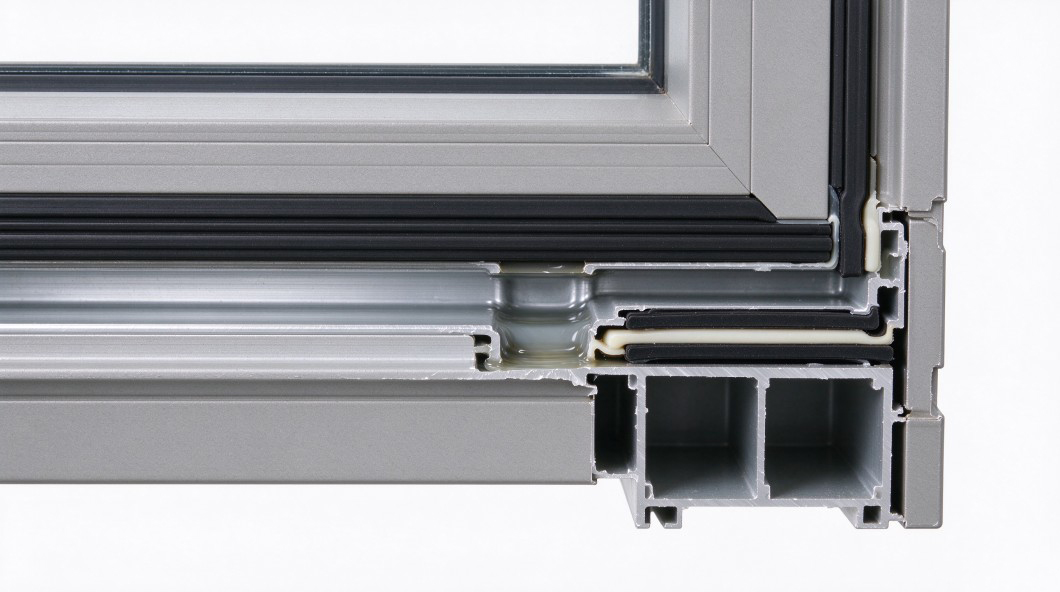
Thermal break aluminum systems use an insulating barrier between interior and exterior frame sections to reduce conductive heat transfer. They may be beneficial in coastal developments with substantial heating or cooling demand, especially when paired with suitable glazing. However, thermal performance should be evaluated using the complete-window U-value and, where relevant, solar heat gain coefficient. For hot coastal climates, shading and solar-control glazing may be as important as frame insulation. For cooler climates, heat-loss control and condensation management may receive greater emphasis. The best specification balances comfort, energy use, weather resistance, and budget.
8. Plan for Cleaning and Maintenance
Even a high-quality coastal window system needs regular maintenance. Salt deposits can accumulate on frames, tracks, gaskets, and hardware. Cleaning with fresh water and mild, manufacturer-approved products can help remove deposits; abrasive cleaners and unsuitable chemicals may damage finishes. Maintenance frequency should reflect local exposure, rather than relying on a universal schedule. Tracks and drainage openings should be checked for debris, and moving hardware should be inspected and serviced according to supplier guidance. Building owners should retain the manufacturer's care instructions and establish a documented maintenance routine, especially for hotels and multi-unit developments.
9. Questions to Ask an Aluminum Window Supplier
Before placing an order, request drawings, profile and finish specifications, hardware material details, glazing options, applicable test evidence, and installation guidance. Ask whether the proposed configuration has been assessed for the project's dimensions and wind pressures. Confirm packaging arrangements for export, protection of finished surfaces during shipping, and the availability of replacement parts. For customized commercial projects, establish a clear drawing approval process and identify responsibilities for site measurement, fabrication tolerances, and installation. Reliable technical communication is often as important as the initial quotation.
Conclusion
Aluminum windows and doors can be an excellent choice for coastal architecture when the full system is specified for its environment. Durable finishes, appropriate hardware, engineered glazing, effective weather sealing, and practical maintenance all contribute to long-term performance. For seaside residences, hotels, resorts, and commercial developments, careful product selection can help protect appearance, functionality, and occupant comfort over time. Rather than choosing solely by price or frame style, international buyers should evaluate the complete technical specification and the supplier's ability to support the project.


Next:
None
Latest Knowledge
Get In Touch!
Accurately Match Needs and Create Exclusive Solutions Your Needs, Our Expertise