
EN




What Are Thermal Break Aluminum Windows? A Complete Guide for Modern Buildings
Oct. 23, 2026
Introduction
As energy efficiency becomes increasingly important in architecture, thermal break aluminum windows have attracted attention from homeowners, architects, contractors and property developers. Aluminum is valued for strength and modern appearance, but the metal conducts heat readily. Thermal break technology addresses this limitation by separating interior and exterior aluminum profiles with an insulating barrier. The result is a window frame that can reduce unwanted heat transfer while retaining many of the design advantages of aluminum.
What Is a Thermal Break?
A thermal break is a low-conductivity element positioned between two aluminum frame sections. Polyamide strips are commonly used, although materials and assembly methods vary between systems. This element interrupts the direct metal path through which heat otherwise travels. In hot weather it can help reduce heat entering an air-conditioned building through the frame; in colder weather it can reduce heat escaping to the outdoors. The improvement should be evaluated at complete-window level rather than assuming every thermal break product performs equally.
Main Components
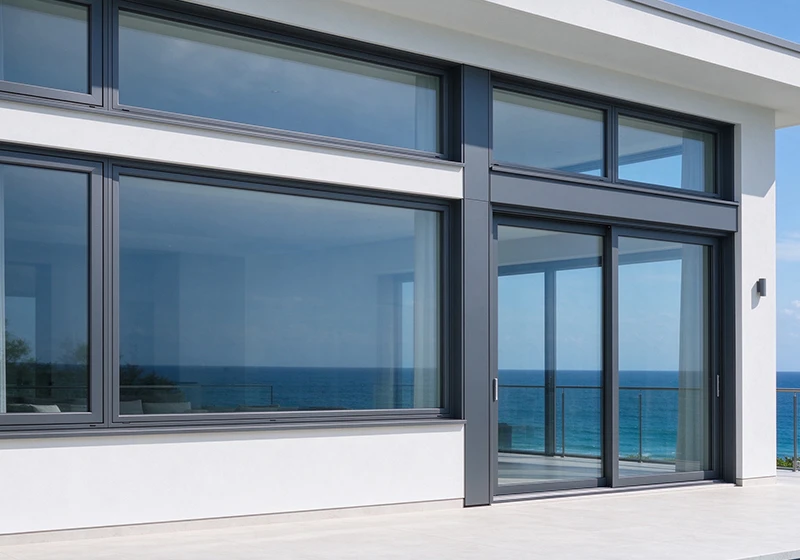
A typical assembly includes an exterior aluminum profile, interior aluminum profile, insulating barrier, glazing, gaskets and operating hardware. Insulated glass units can improve thermal performance, while appropriate weather seals limit air and water infiltration. Window performance depends on the interaction between all of these components. Even a well-insulated frame can underperform when paired with unsuitable glass or installed with poor perimeter sealing.
Important Benefits
Better thermal insulation can help reduce heating and cooling demand. Warmer interior frame surfaces in cold conditions may also lower condensation risk, although humidity and indoor temperature remain important. Aluminum offers structural stiffness that can support relatively slender frames and larger glazing areas. Powder coating and anodizing provide multiple aesthetic finishes. With appropriate materials, installation and maintenance, these systems can offer long service life.
Applications Across Markets
For projects in Australia and New Zealand, buyers should consider thermal performance together with local building requirements. In the Middle East, solar-control glazing and frame insulation can be important for cooling-dominated buildings. In humid Southeast Asian climates, weather resistance, ventilation and corrosion protection may be equally significant. Hotels, offices, apartments and residential developments may all benefit from properly specified systems, but the ideal configuration is climate- and project-dependent.
How to Select a System
Ask suppliers for the complete-window U-value, glazing specification and relevant test information. Review air leakage, water penetration and structural performance against the project design. Confirm frame dimensions, opening styles, hardware and surface treatment. Finally, request technical drawings and installation details before approving production. A low advertised U-value is meaningful only when its test basis and the exact product configuration are clear.
Conclusion
Thermal break aluminum windows combine the architectural flexibility of aluminum with improved frame insulation. For international buyers, the most reliable purchasing decision comes from comparing complete systems, technical documentation and installation requirements rather than frame descriptions alone.
Practical Checklist for International Buyers
Before placing an order, prepare a written project brief that identifies the destination country, building type, opening dimensions, design wind loads, preferred glass construction, color, hardware requirements and installation method. Ask the supplier to confirm which technical performance figures refer to the full window and which refer only to individual components. Compare drawings and quotations on the same specification basis, including packaging, delivery terms and after-sales support. Request sample finishes and confirm that the proposed configuration can be manufactured consistently. For projects with special regulatory or environmental requirements, consult the responsible architect or engineer and verify the applicable local standards before approving production. This approach improves communication and makes technical comparisons more meaningful.
Latest Knowledge
Get In Touch!
Accurately Match Needs and Create Exclusive Solutions Your Needs, Our Expertise